









Search

Please enter a keyword or what you are looking for in the field below to search.

alt
Search result
There is no result for your search, please check again.
    alt alt alt alt
    alt alt alt alt
    alt

    The "Digital Nervous System" of Machine Tools: A Complete Path from Sensors to Smart Factory

    Traditional machine tools are silent. They cut, rotate, and feed — but they don't speak. Operators judge tool condition by experience, detect anomalies by sound, and trace process problems backward from scrap rates. This model of "human-dependent perception" is rapidly reaching its limits in an era of high-volume production and increasingly tight precision requirements.

    Scroll

    Introduction: The Perception Problem in Machine Tools
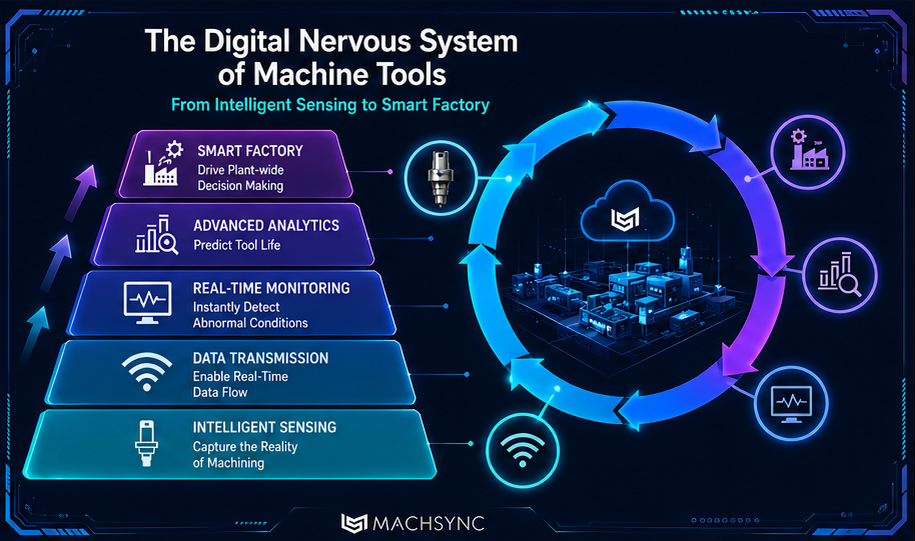
    The issue isn't a lack of effort on the part of operators — it's that the cutting process itself is extraordinarily complex. Tool wear is gradual, temperature fluctuates in an instant, and cutting forces are multidimensional. These changes unfold in milliseconds, far beyond what human senses can track in real time. This has led the machine tool industry to ask a fundamental question: Can we give machines a nervous system?


    This article traces the complete architecture of that "nervous system" — from sensors positioned as close as possible to the cutting zone, all the way to factory-level intelligent decision-making — explaining the technical logic and industrial significance of each layer along the way.
    Layer 1: Sensing — Giving Machines a Sense of Touch

    The human nervous system begins perceiving the world at its periphery. A machine tool's digital nervous system must likewise start at the point closest to the action — where the cutting tool meets the workpiece.

    Sensor Placement Determines Data Quality

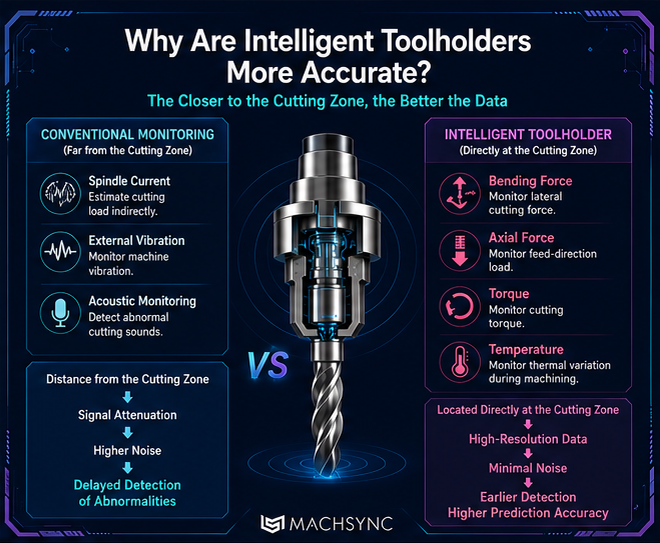
    There are many approaches to sensing on a machine tool: vibration sensors mounted on the machine base, spindle current monitoring, external microphones, and more. All of these share a common weakness: **signal attenuation**. The farther a sensor is from the cutting point, the more noise accumulates and the weaker the useful signal becomes, limiting the resolution of any downstream analysis.

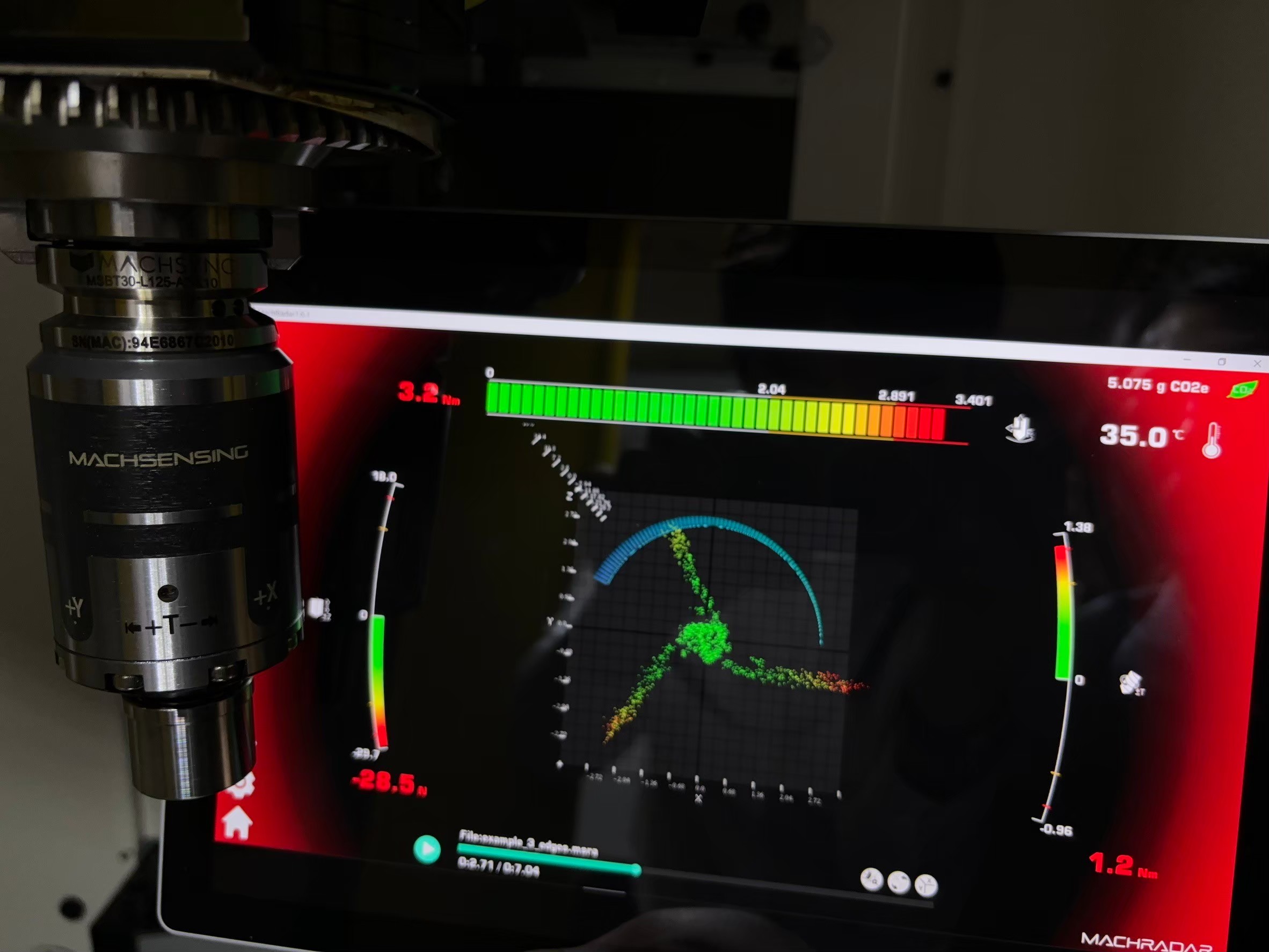
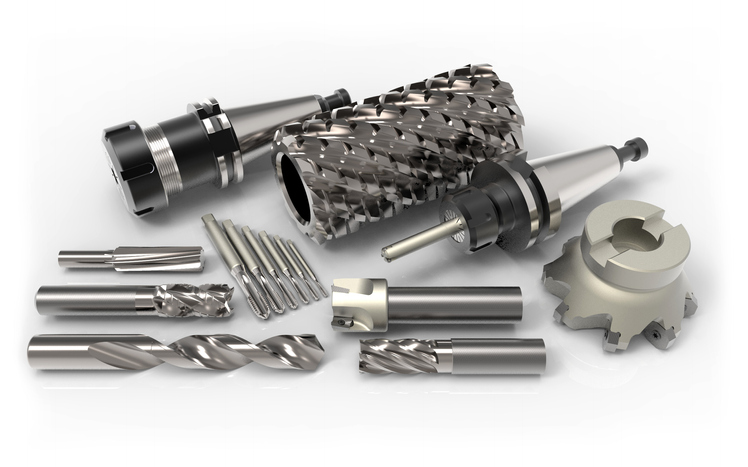
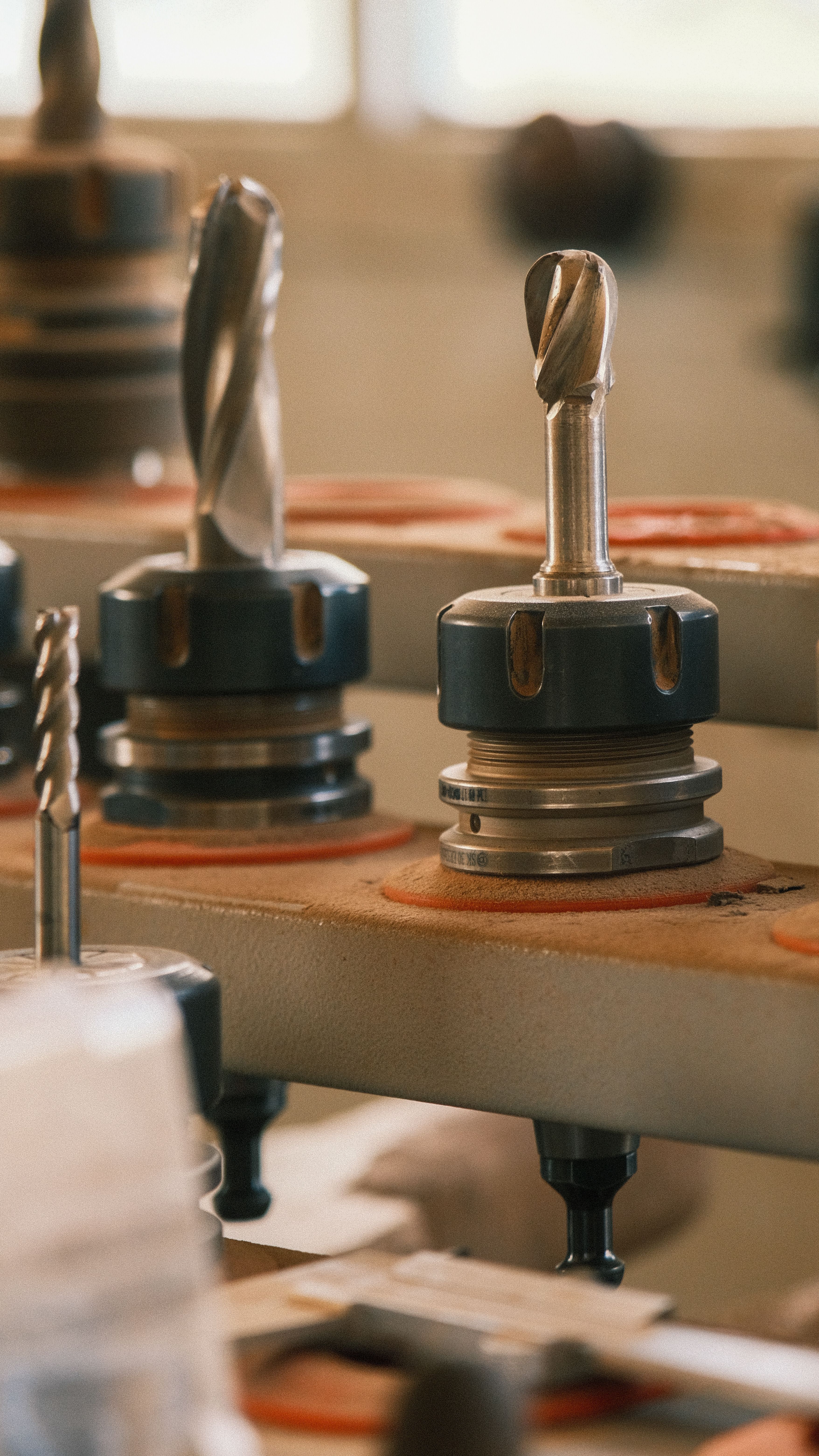
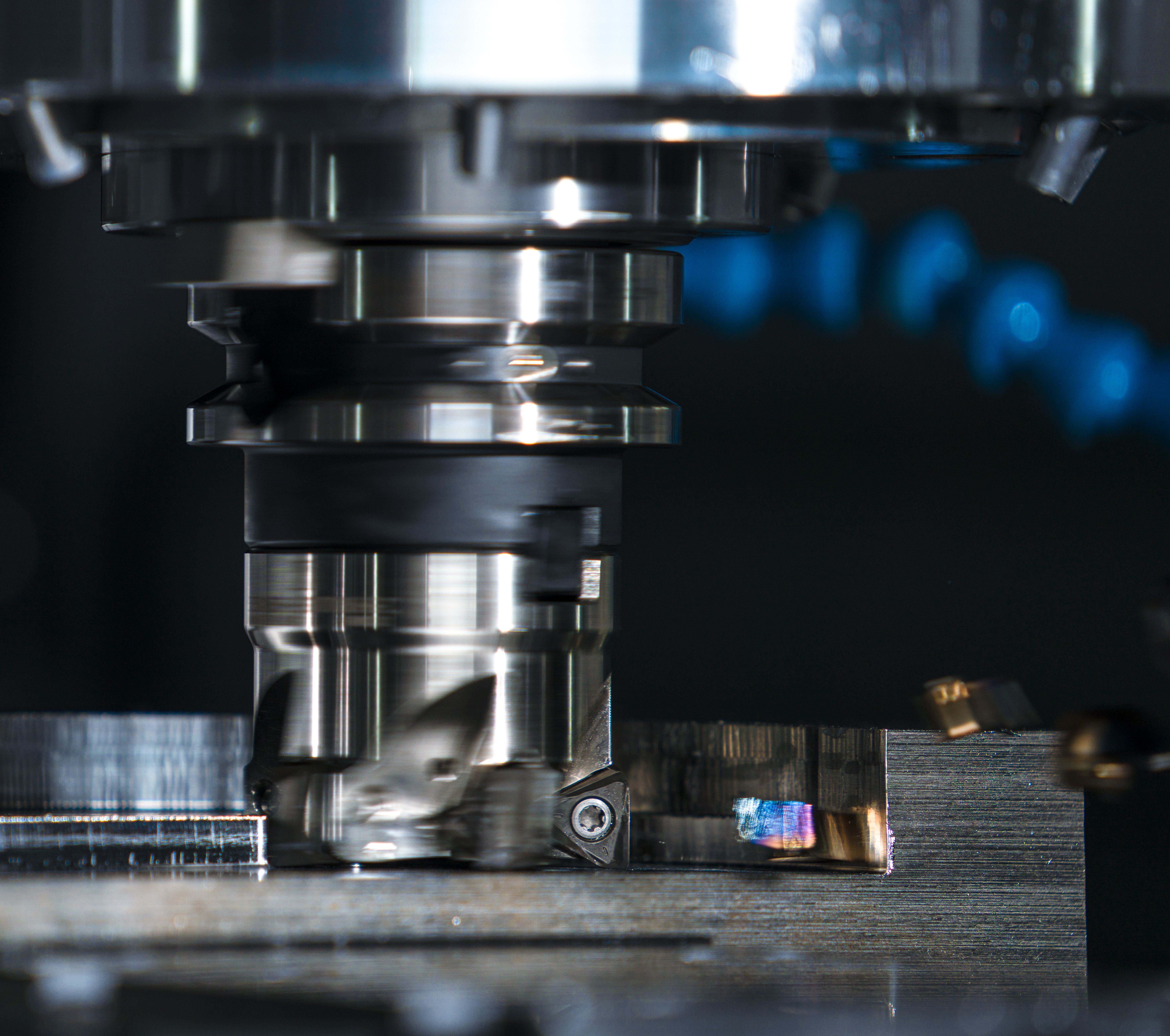
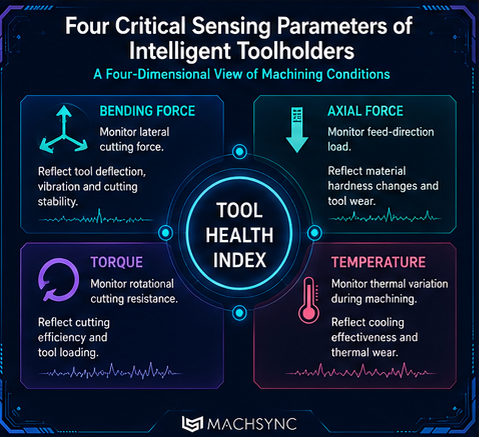
    This is the driving force behind the rise of the "smart toolholder" concept. By integrating sensing elements directly into the toolholder body — measuring right at the spindle — this approach gets as close to the cutting front as currently possible. A typical smart toolholder can simultaneously capture:

    • Bending moment: lateral forces acting on the tool
    • Axial force: thrust in the feed direction
    • Torque: the rotational force generated during cutting
    • Temperature: real-time thermal changes during machining


    Together, these four dimensions precisely describe the physical state of the tool during every cut — a level of informational resolution that conventional monitoring methods simply cannot match.

    The Stability Challenge in Harsh Environments

    The machining environment is unforgiving: spindle speeds reaching tens of thousands of RPM, extreme heat, coolant spray, and strong electromagnetic interference. Sensing elements must deliver reliable data continuously under all these conditions to be of any practical use.


    Sensitivity is equally critical. Subtle changes in cutting force are often the earliest indicators of tool wear. If a sensor cannot distinguish force differences in the range of a few Newtons, predictive maintenance becomes impossible before it even begins.

    Sensor-Machine Matching: The Step That Gets Skipped

    Many manufacturers find that after deploying sensing equipment, the data arrives — but nobody can interpret it or act on it. The root cause is almost always a skipped step: sensor-machine matching (also called baseline calibration).


    Every machine on a production line has its own physical characteristics — unique resonance frequencies, structural rigidity, and thermal expansion coefficients. Without establishing a calibrated baseline specific to each machine, the raw signals from a sensor are dominated by noise and cannot support reliable decision-making. The correct approach is to conduct a retrospective analysis of each machine's physical behavior before deploying any sensing solution, then establish individual reference baselines. Only then does subsequent data analysis carry genuine meaning.

    Layer 2: Transmission — Moving Data from Spindle to System

    Once a sensor captures a signal, that signal must be transmitted in real time to be useful. Here, a fundamental physical constraint arises: the spindle is spinning at high speed, making wired connections impractical.

    Choosing a Wireless Transmission Technology

    Most smart toolholders rely on wireless communication. The two most common options are Wi-Fi and Bluetooth, each with distinct trade-offs:


    • Wi-Fi: Longer range and higher bandwidth, suitable for applications requiring high sampling rates — but at the cost of greater power consumption.
    • Bluetooth (BLE): Lower power draw and flexible connectivity, well-suited for battery-powered portable toolholder designs.


    Regardless of the technology chosen, **data reproducibility** is the core reliability metric for any such system. Ideally, identical cutting conditions should consistently produce comparable data outputs — without this consistency, trend analysis and process optimization have no stable foundation.

    Data Format and System Integration

    Transmission is only the first step. Standardizing data formats is what makes cross-system integration real. If cutting sensor data cannot connect with a factory's existing ERP, MES, or SCADA systems, it simply creates yet another data silo. This is why modern sensing solutions increasingly emphasize open interfaces and compatibility with established industrial communication protocols such as OPC-UA and MTConnect.

    Layer 3: Real-Time Monitoring — Making Data Visible on the Shop Floor

    Once data reaches the system, the next question is: who looks at it, and how?

    The Design Philosophy of a Good Dashboard

    The end users of shop-floor monitoring tools are typically machine operators and production supervisors. What they need is not raw numbers — it is real-time situational awareness. An effective monitoring interface should:


    • Visualize cutting force trends for each individual cutting edge
    • Deliver clear, immediate alerts when anomalies are detected
    • Display the status of multiple machines in a single consolidated view
    • Be intuitive enough that operators can make fast decisions under pressure

    Closed-Loop Feedback Control: From Monitoring to Intervention

    A more advanced design goes beyond alerting to enable direct integration with the machine controller, forming a closed feedback loop. When a sensor detects abnormal cutting forces, the system doesn't just raise an alarm — it automatically adjusts the feed rate or triggers a protective stop. This marks a fundamental shift: from "a person reads data and decides" to "the system responds autonomously in real time."


    As sustainability becomes a higher priority across manufacturing, some monitoring platforms have also begun integrating carbon emissions tracking. This allows companies to simultaneously monitor process state and log energy consumption and emissions data in real time, providing a factual basis for future carbon reduction targets.

    Layer 4: Deep Analysis — Finding Patterns in Process Data

    Real-time monitoring handles the present. Deep analysis handles patterns and prediction.


    Tool Life Prediction: From Reactive to Proactive

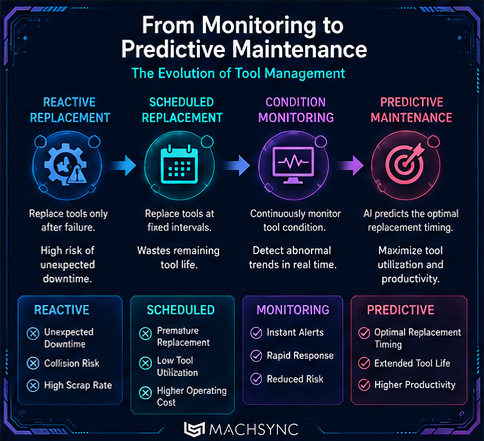
    Traditional tool management follows one of two approaches: change tools on a fixed schedule, or wait until a tool breaks. The first wastes remaining tool life; the second causes collisions and scrap. If sensor data can be used to map a tool's wear curve over time, it becomes possible to proactively replace the tool at the optimal moment before failure — this is the core application of Predictive Maintenance in cutting operations.


    Building a reliable wear curve requires large volumes of labeled historical data: wear rates across different tool materials, workpiece materials, and cutting parameters must all accumulate sufficient samples before a predictive model becomes trustworthy.

    Process Optimization: Finding the Optimal Cutting Parameters

    Deep analysis also helps engineers identify the optimal combination of cutting parameters — the right balance of spindle speed, feed rate, and depth of cut — which is rarely something intuition alone can pin down precisely. By systematically comparing sensor data and machining outcomes across different parameter conditions, the trial-and-error space can be narrowed dramatically, significantly reducing the time cost of developing new processes.


    This process also helps convert tacit expert knowledge — the kind that lives in the heads of experienced machinists — into documented, transferable data assets. In an industry where knowledge transfer is becoming increasingly difficult, this carries strategic value beyond efficiency gains alone.

    Data-Driven Tool Procurement

    Another practical application of analysis platforms is procurement decision support. By calculating wear KPIs across different tooling options, companies can objectively compare brands and specifications under real cutting conditions, replacing purchasing decisions based on supplier relationships or gut feel with decisions grounded in evidence.

    Layer 5: Smart Factory — From Single-Machine Data to Factory-Wide Closed Loop

    The first four layers address the perception challenge for individual machines. The smart factory goal is to integrate data from all machines into factory-level intelligence.

    From Isolated Data Points to Production Line Integration

    A factory may operate dozens or even hundreds of different machine tools simultaneously. If each machine's sensor data exists in isolation, the best outcome is optimizing individual machines. But when all machine data is consolidated and cross-analyzed, deeper patterns emerge:

    • Which operation is the bottleneck across the entire production line?
    • Which machine shows abnormally high tool wear rates, potentially pointing to a fixturing or material batch issue?
    • Across the factory, where does energy consumption and carbon output concentrate — and where is the greatest optimization opportunity?

    These questions cannot be answered from single-machine data. They require a macro view of the entire facility.

    Integrating Sensing Data with Production Scheduling

    One of the ultimate goals of a smart factory is for sensing data to directly drive dynamic production scheduling. When a tool life prediction indicates that a machine will need a tool change in two hours, the scheduling system should be able to redistribute upcoming work orders in real time, ensuring the line keeps running through the changeover. This "sense–analyze–schedule" closed loop is one of the most concrete expressions of Industry 4.0 on the shop floor.

    Cross-Process Data Consistency

    Modern manufacturing is no longer limited to cutting operations alone. As CNC multi-tasking machines, dissimilar material composite manufacturing, and metal additive manufacturing (3D printing) increasingly coexist within the same facility, cross-process data standardization becomes a critical architectural challenge. Different processes involve different sensing dimensions — but figuring out how to make them "speak the same language" within a unified data platform is a direction the industry is actively exploring.

    Further Reflection: The Cross-Domain Potential of Sensing Technology

    The technical logic of "sense → transmit → analyze" is not confined to machine tool applications. In semiconductor manufacturing, for example, the precise sensing of wafer misalignment and contact forces during wafer handling presents remarkably similar challenges — high sensitivity, stable performance, and resilience to harsh environments are all equally required.


    Machsync has extended its sensing technology into the semiconductor domain, developing intelligent sensing solutions for wafer-handling equipment. This reflects a broader trend: as sensing components continue to miniaturize and fall in cost, the concept of "giving every contact point the ability to perceive" is penetrating more and more manufacturing contexts.

    Conclusion: The Real Value of a Digital Nervous System

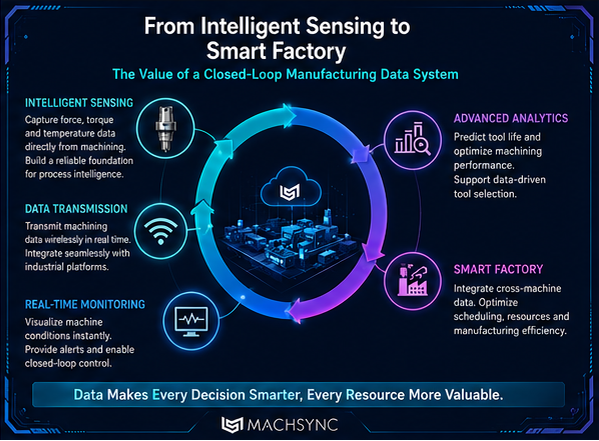
    Each layer of the path from sensor to smart factory serves an indispensable purpose. Sensors address the problem of invisibility. Transmission addresses the problem of unreachability. Real-time monitoring addresses the problem of slow response. Deep analysis addresses the problem of uninterpretability. The smart factory addresses the problem of uncoordinated action.


    But technology is not the destination. What drives all of this is the real pressure manufacturers face: stricter quality requirements, shorter lead times, higher labor costs, and more urgent carbon neutrality targets. The value of a digital nervous system ultimately lies in whether it genuinely helps the people on the factory floor make better decisions and produce better products.


    Taiwan's machine tool industry holds an important position in global supply chains — and stands at a pivotal moment in its smart manufacturing transformation. There are no shortcuts on the path from sensor to smart factory. But every step taken with rigor builds digital assets that will become the most important competitive barriers of the future.

    Sources: Public domain references

    Photo by lil artsy / Tara Winstead / Machsync

    This article is original content created by Machsync. It may not be used for commercial purposes or distributed, shared, or sold in any form. Unauthorized reproduction, excerpting, copying, or use in any visual format is strictly prohibited.

    For reprint or licensing inquiries, please contact Machsync.

    ﹌﹌﹌﹌﹌﹌﹌﹌﹌﹌﹌﹌﹌﹌﹌

    📬 Get in Touch with Machsync

    📍 2F., No. 38, Keya Rd., Daya Dist. Taichung City, Taiwan

    📞 +886-4-2473-6883

    ✉️ admin@machsync.ai

    🌐 machsync.ai/tw